
SUPPLIER VERIFICATION TURKEY
Verify a Turkish Supplier Before You Commit
Already found a supplier in Turkey but cannot confirm whether the company, manufacturing operation or documents match its claims? Get independent evidence before paying a deposit, issuing a purchase order or expanding the relationship.
Not a supplier badge or generic database score. Hana conducts an independent buyer-side review around your named supplier, product, documents and pending decision, with on-the-ground verification available in Turkey when needed.
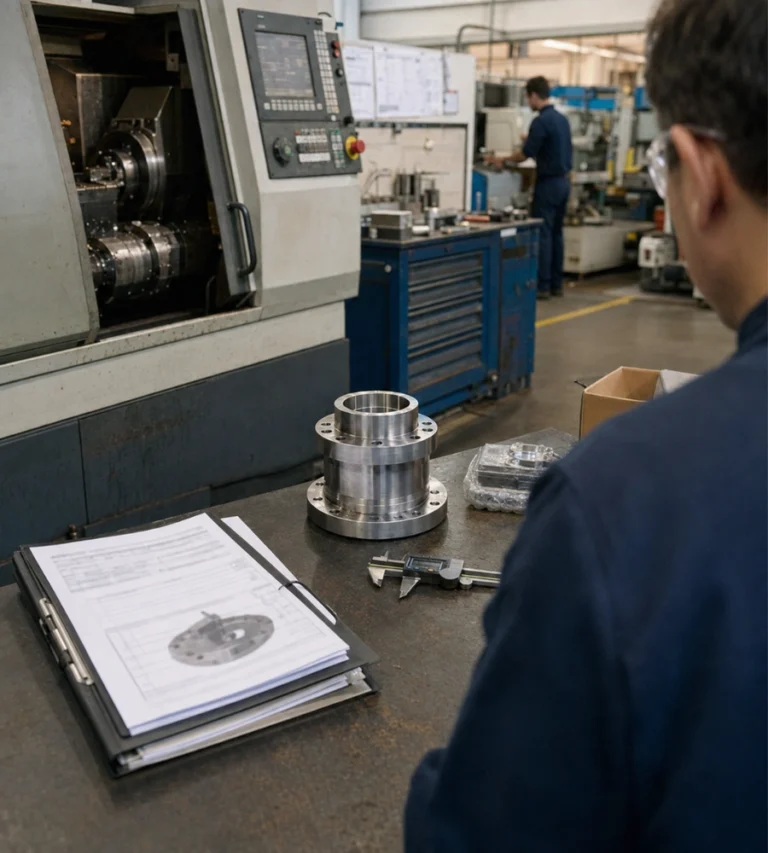
- Buyer-Side Only
- No Supplier Commissions
- Desk and Field Verification Available
BEFORE YOU COMMIT
What Is Making You Hesitate About This Turkish Supplier?
Whether you found the supplier through an online search, sourcing platform, trade fair or trusted introduction, the information provided by the supplier may not be enough for the commercial decision in front of you.
-
Concern 01
Are they actually the manufacturer?
Catalogues, factory photographs and product samples do not confirm that the contracting company owns or operates the production site.
-
Concern 02
Do the company and payment details match?
The legal name, registered address, quotation, invoice, email domain and bank beneficiary may point to different entities.
-
Concern 03
Are the certificates current and relevant?
A certificate may be genuine but expired, issued to another company or site, or outside the scope of the product you intend to purchase.
-
Concern 04
Can the manufacturing claims be supported?
Claims about machinery, workforce, production capacity and in-house processes may exist only in marketing materials or supplier declarations.
-
Concern 05
Is a payment or purchase decision approaching?
A sample payment, deposit, purchase order, repeat order or higher volume can increase your exposure while essential supplier information remains unconfirmed.
-
What This Means
Different concerns require different evidence.
A company registration check alone cannot confirm manufacturer status, document scope, production capability or future supplier performance.
6 cards available
SUPPLIER CLAIMS AND EVIDENCE
What Can Supplier Verification in Turkey Establish?
Each concern is checked against available official records, supplier documents or physical evidence. The findings show what is supported, what does not match, what remains unresolved and whether an on-site check is needed.
01
Is the company behind the quotation the same legal entity you will contract and pay?
- Available records from MERSİS↗ and the Turkish Trade Registry Gazette↗
- Registered name, address and authorised representatives
- Quotation, invoice and bank-beneficiary details
Consistent · Discrepancy identified · Cannot be confirmed
02
Does the available evidence support the supplier’s claim that it is the manufacturer?
- Registered business activities and operating addresses
- Product, production and factory evidence
- A current TOBB-approved Capacity Report↗, prepared by the relevant local chamber, when relevant and made available
Manufacturer claim supported · Trader or intermediary indicated · Unresolved
03
Do the certificates belong to the correct company, site and product?
- Issuer and available accreditation details
- Certificate holder, production site and validity dates
- Product, model and stated certification scope
Current and relevant · Genuine but outside scope · Expired · Issued to another entity · Cannot be verified
04
Can the claimed machinery, workforce, processes and production capability be supported?
- Machinery, workforce and declared-capacity information
- In-house production versus subcontracted processes
- Current factory, production and product evidence
Supported · Partially supported · Contradicted · Physical verification required
05
Do the commercial documents and payment instructions align with the verified company?
- Quotation, proforma invoice and available contract documents
- Invoicing entity and named bank beneficiary
- Third-party or changed payment instructions
Aligned · Third-party or entity discrepancy · Clarification required
Turkey-Specific Evidence
What Can a TOBB-Approved Capacity Report Actually Show?
A current TOBB-approved Capacity Report↗, prepared by the relevant local chamber, can provide Turkey-specific evidence when assessing a supplier’s manufacturer claim.
It Can Show
- Declared products and production activities
- Machinery and equipment recorded at assessment
- Workforce information
- Theoretical annual production capacity at assessment
It Does Not Confirm
- Available production capacity today
- Quality of your specific product or order
- Order-specific delivery capability
- Future supplier performance
A Capacity Report is supporting evidence—not proof that the supplier can fulfil your specific order.
Desk or Field Evidence
When Is On-Site Verification Required?
Some supplier questions can be addressed through company, document and certificate checks. Claims that depend on physical conditions may require verification at the operating site.
Desk Review Can Address
- Legal identity and registry consistency
- Certificate ownership, validity and stated scope
- Quotation, invoice and bank-beneficiary alignment
- Visible discrepancies across submitted information
Field Verification May Be Required For
- Actual occupancy of the stated operating site
- Installed machinery and equipment
- Visible production activity
- In-house versus subcontracted processes
On-site verification is not automatically included. If fieldwork is required, its scope, fee and effect on the timeline are confirmed for your approval before the visit is arranged.
YOUR VERIFICATION FINDINGS
Evidence for Your Supplier Decision
You receive a concise findings report that connects each supplier claim to the evidence reviewed, the result identified and any point that still requires clarification or physical verification.
Findings Report
What You Receive
A concise Supplier Verification Findings Report containing:
- 01 Source-linked company identity and registration findings
- 02 Manufacturer-status findings
- 03 Certificate and document-scope findings
- 04 Manufacturing and capability findings
- 05 Commercial and payment consistency findings
- 06 Unresolved claims requiring supplier clarification or physical verification
Buyer Use
How You Can Use the Findings
- Confirm which supplier claims are supported
- Request correction of entity, document or payment discrepancies
- Decide whether additional evidence or on-site verification is justified
- Control exposure before a deposit, purchase order or higher-volume commitment
- Keep a documented basis for your own supplier decision
Hana does not select or approve the supplier on your behalf. The findings give you an independent evidence base for your own commercial decision.
REAL BUYER-SIDE RESULT
What Did Supplier Verification Reveal About Three Turkish Machinery Candidates?
An EU machinery buyer had already identified three potential suppliers in Turkey. Independent verification showed material differences in manufacturer status, documentation and commercial exposure before the buyer entered RFQ.
Starting Position
Three supplier candidates appeared commercially suitable based on the information presented before verification.
Verification Findings
- 3 Candidate suppliers reviewed
- 1 Trader or intermediary identified instead of the claimed manufacturer
- 1 Expired CE documentation flagged
Commercial Outcome
The buyer removed 1 candidate and advanced 2 candidates to RFQ under confirmed conditions.
Buyer-Side Positioning
The buyer—not Hana—made the commercial decision using the verification findings.
● Supplier and buyer names are withheld for commercial confidentiality.
Supplier Verification Turkey
What Do You Need to Confirm About a Turkish Supplier?
A complete supplier file is not required. Submit your contact details and share only what you are comfortable providing. We will review the request and confirm the appropriate scope, fixed fee and timeline before any verification work begins.
Confidential Initial Request
Start Your Verification Request
Only your name, email and country are required. Company information and a short message are optional. Supporting documents can be shared after the scope is confirmed.
- Confidential initial review
- No files required at this stage
- Reply within one business day
Before You Submit
Practical questions, answered clearly
Open only the question relevant to your current concern.
01
Can you verify a supplier I found myself?
Yes. The supplier may have been found through your own research, a marketplace, trade fair, referral or existing commercial relationship. Hana does not need to have sourced the supplier.
02
What information should I provide?
Your name, email and country are enough for the initial request. If available, use the optional message to share the supplier name, product and what you would like checked. Supporting documents can be requested after the scope is confirmed.
03
What happens if supplier information cannot be independently
verified?
The information is recorded as unresolved or cannot be confirmed—not treated as fact. The report identifies the evidence gap and whether supplier clarification, additional documentation or physical verification may be required.
04
Does every verification require a factory visit?
No. Verification may begin with company, registry, document and certificate checks. On-site verification is considered only when a material claim depends on physical evidence.
05
How are the fee and timeline determined?
The scope depends on the number of entities, products and documents involved, the pending decision, urgency and whether fieldwork is required. A fixed fee and timeline are confirmed in writing before work begins.
06
Does verification guarantee future supplier performance?
No. Verification reflects the evidence available at the time of review. It cannot guarantee future product quality, delivery performance, production continuity or supplier conduct.